
Paisley wasours first
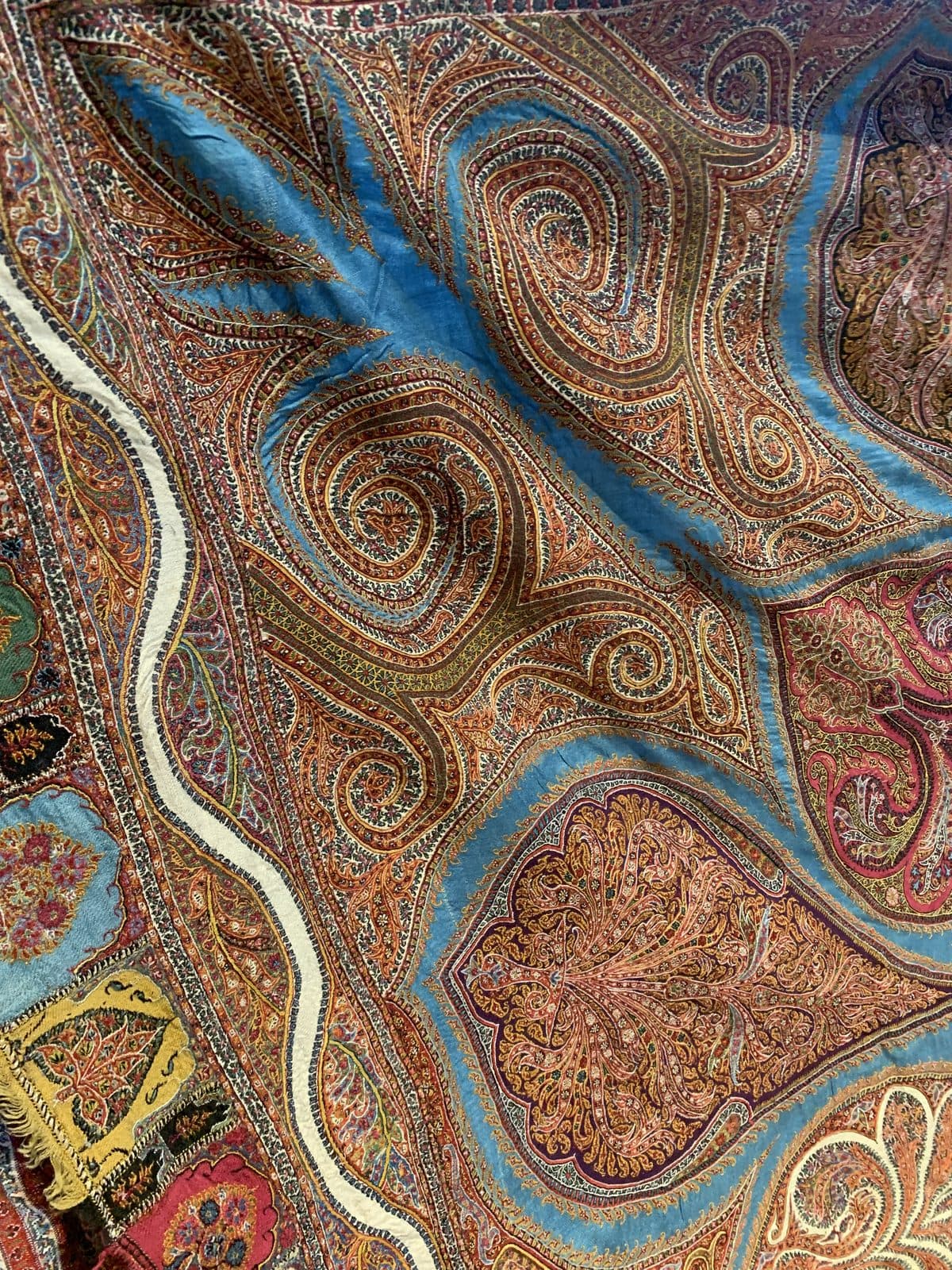
Before the world gave it a name the shape already lived in the East: a single drop of form bending gently as if in the wind
A house that grew in quietover 25 years
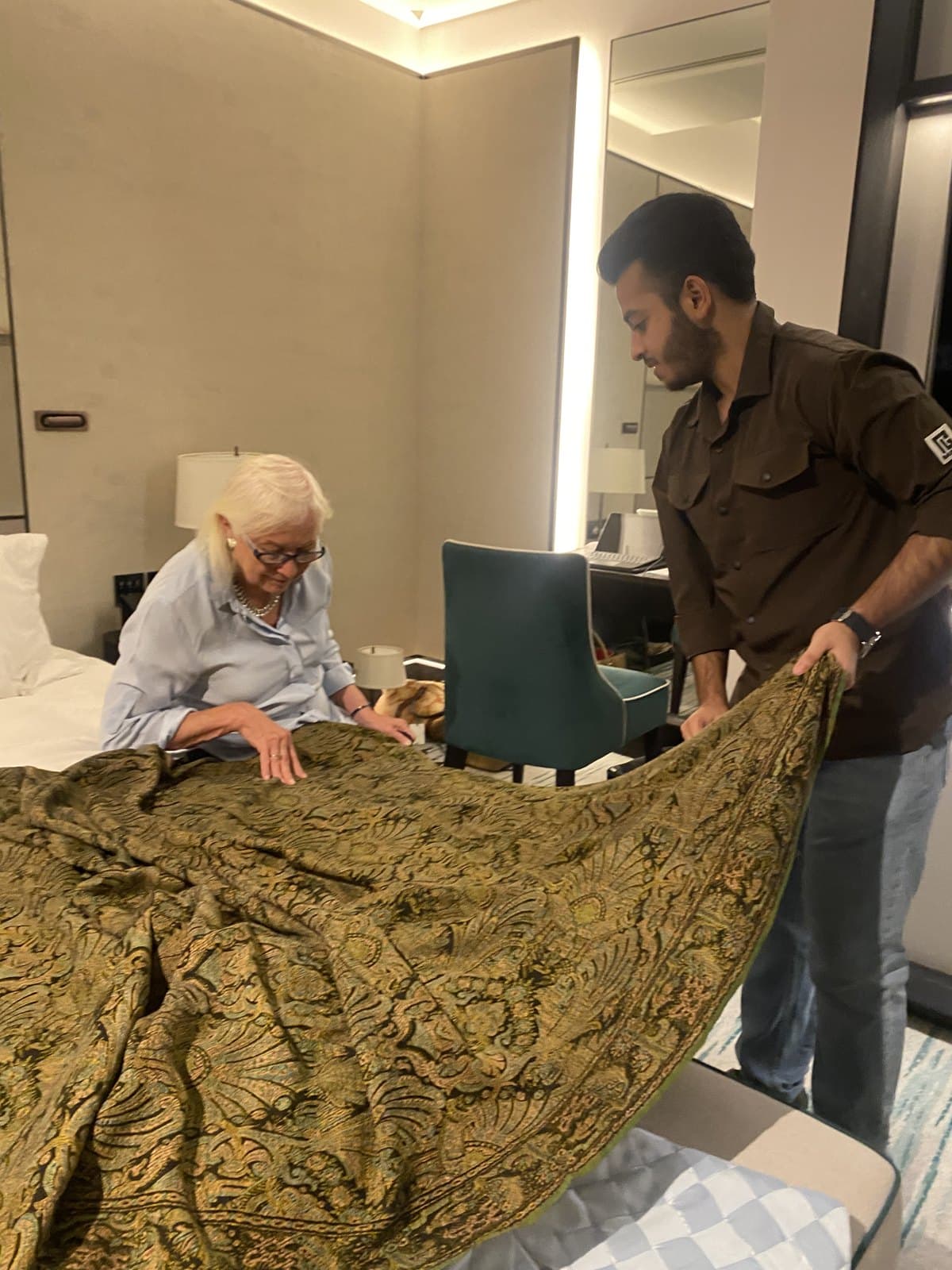
Some brands are launched. Ours took shape slowly. For more than 25 years, our family has worked where the world’s finest fibre begins: in Kashmir’s workshops and weaving rooms. All that time we were refining one skill, knowing the truly exceptional from the merely good.
Our shawls, weaves and art pieces reached connoisseurs and collectors in India, the Middle East and Europe without a single advertisement. In this trade, the best work has always travelled by recommendation, passed from one trusted person to the next.
Now a new generation leads the house. The eye is the same, and so are the weavers. What is new is a belief: that the people who genuinely value this art should be able to come to it directly.
The Pashmina trade has long been fragmented. It is beautiful at its core, but muddied by imitations, diluted fibre and layers of middlemen. The Paizely exists to change that: a carefully curated house where every piece is chosen by hand, every fibre is genuine, and every claim leads back to a specific loom and the people who worked it. This is not a marketplace. It is a circle, and there is a place in it for you.
In Kashmirit came alive
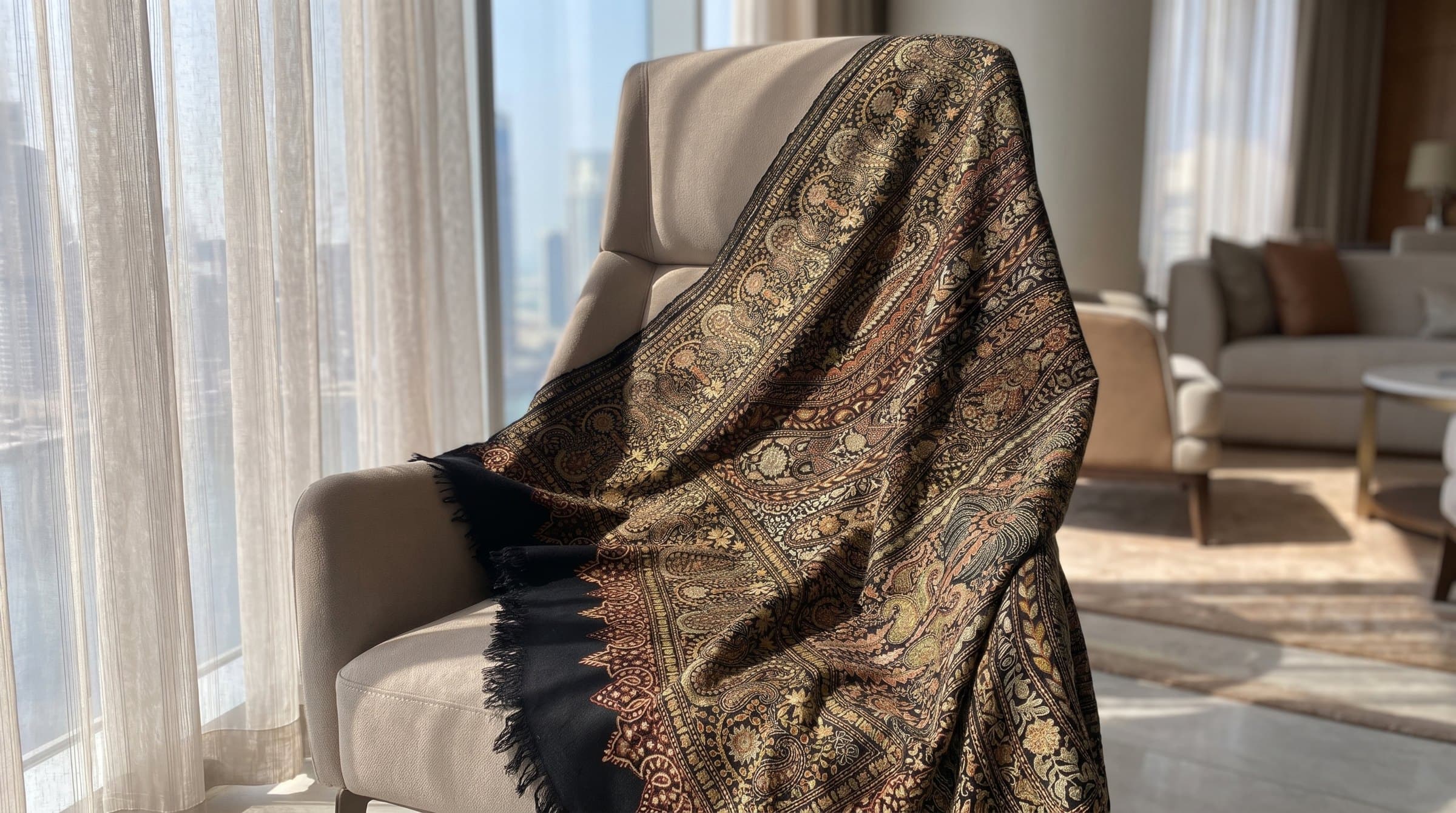
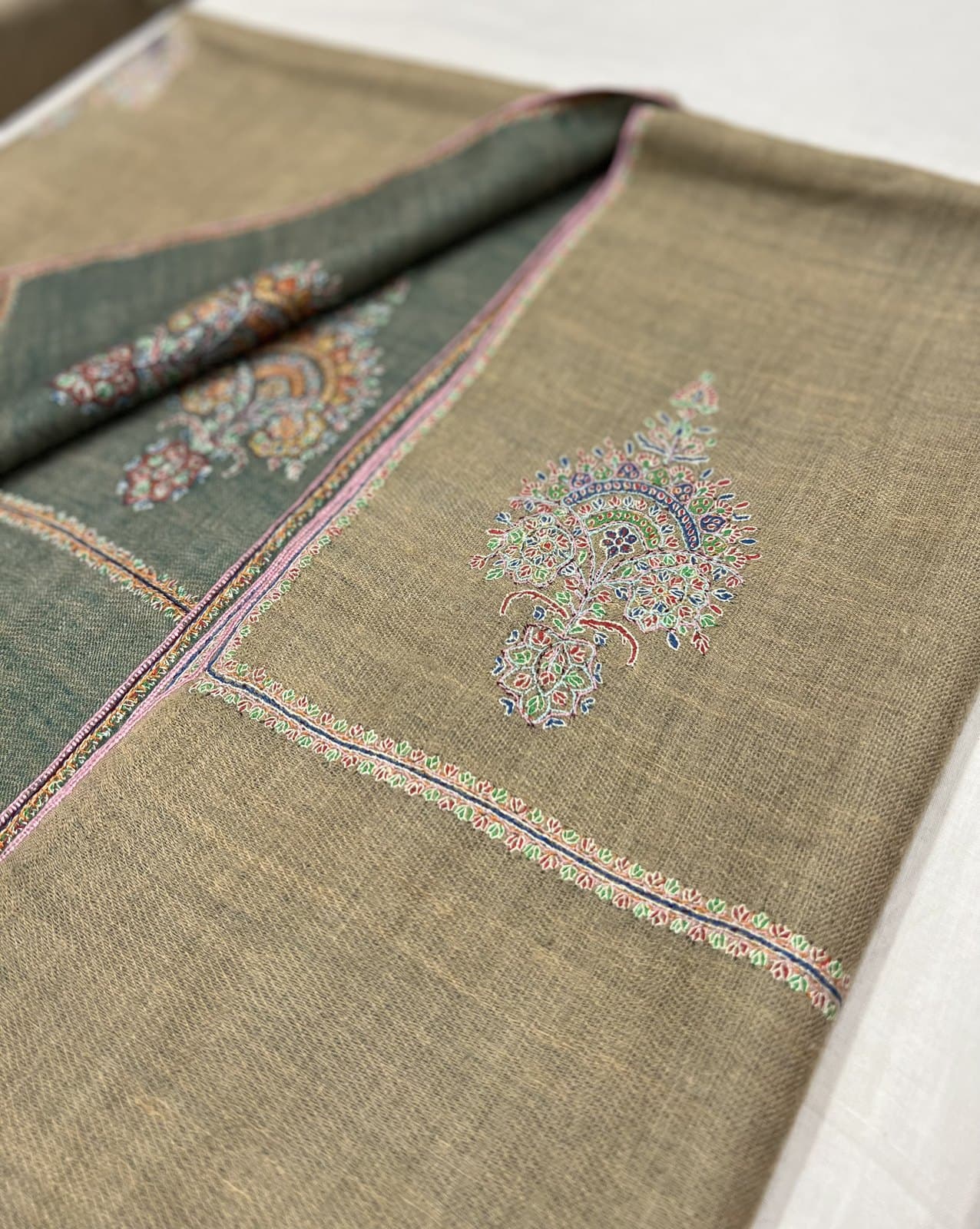
The Valley called it the buta, the seed of life. Its weavers set the Persian shape into cloth so delicate and so light it hardly seemed real, spun from the winter undercoat of the Changthangi goat of the high Himalaya. Its fibre took the name Pashmina, from pashm, “soft gold”.
The Mughals made the Kashmir shawl immortal. Akbar loved these shawls so dearly that he wore two at once, one layered over the other. Jahangir, who called Kashmir paradise on earth, wrote that its shawls were beyond description.
In the eighteenth century the shawls reached Europe, and Europe was captivated. Empress Joséphine is said to have collected them by the hundred. European mills set out to copy the design; the best known was a small Scottish weaving town called Paisley. That is how the buta became “the paisley pattern”: a motif born on the banks of the Jhelum and renamed on the banks of the Clyde.
We chose the name The Paizely on purpose: the world’s word, in our own spelling, to close the circle. The West made the motif famous. Kashmir gave it life. We are here to keep that difference in view.
Every pieceis shared work
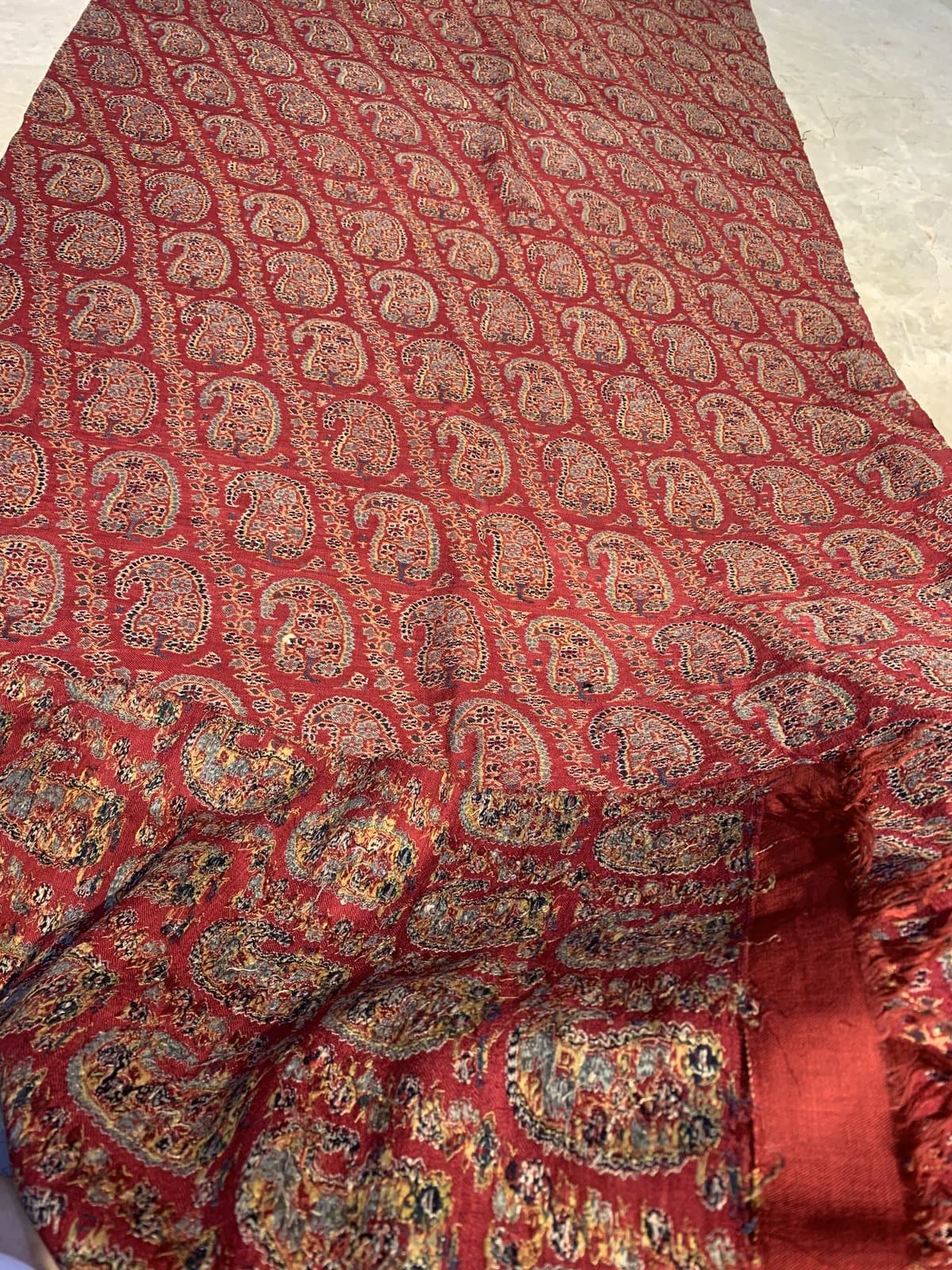
Before a Paizely piece reaches you it passes through many hands: the herder in Changthang · the spinner · the dyer · the weaver and the artist
This chapter is for them
Fair pay · paid directly
Our weavers are paid in full with no middlemen in between · A craft cannot survive once its makers can no longer earn a living from it
Every piece has a name
Wherever we can we record the weaving cluster behind each piece so the people who made it are remembered with it
Keeping a rare art alive
Kashmir is among the very few places where Pashmina is still woven entirely by hand · Bringing home a Paizely piece helps that art continue
Kind to the animal
Pashm is never sheared · Each spring the Changthangi goats shed their winter undercoat naturally and their herders comb it out by hand · No animal is harmed
Fibre you can trust
We never sell a blend as pure or a powerloom piece as handloom · What we tell you is what you receive confirmed in writing with a certificate of authenticity
For the weavers to come
Part of what we earn helps keep young weavers at the loom so this art is carried forward not just remembered
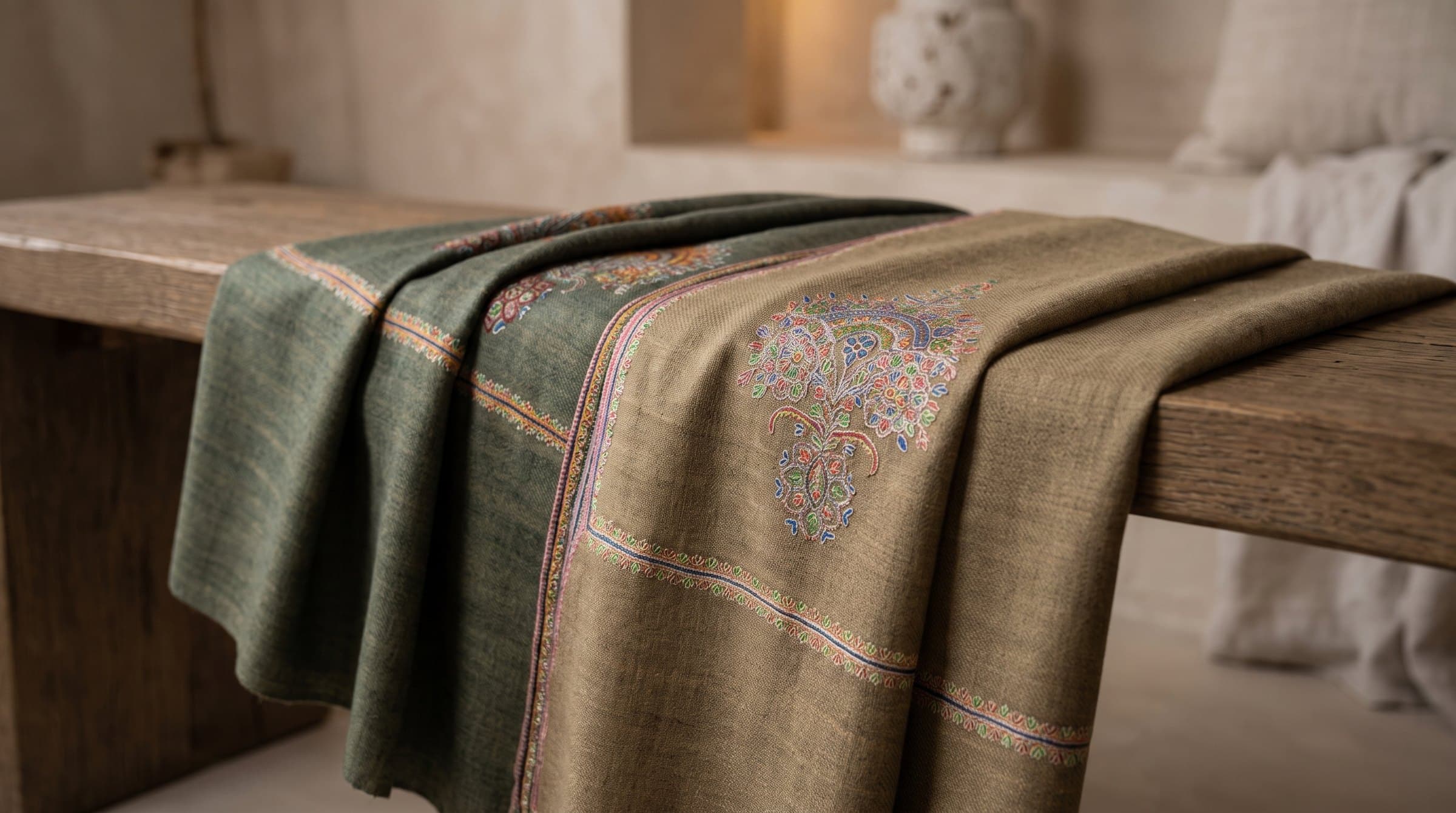
“The West made the motif famous
Kashmir gave it life”